Phantom Purchases: When Loyalty Cards Log Transactions from Stores That Don't Exist
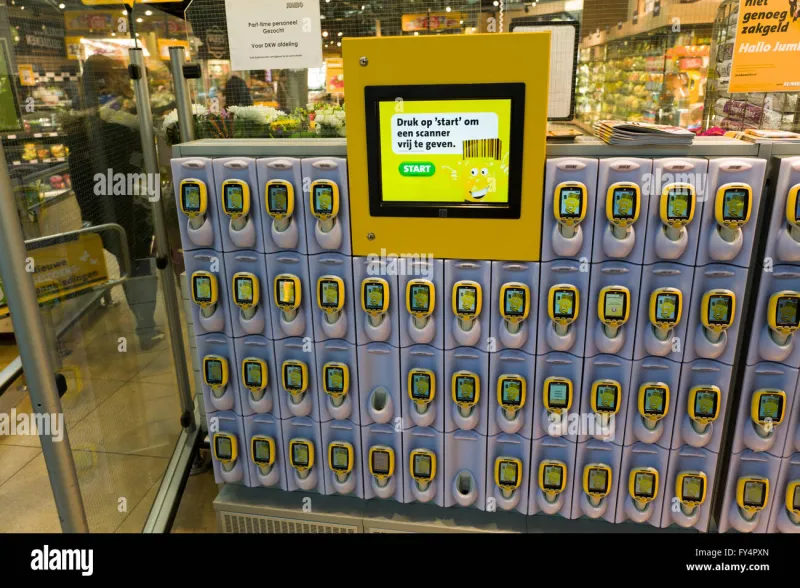
Photo: grocery store loyalty card receipt scanner checkout, via c8.alamy.com
Digital Receipts from Nowhere
Karen Molloy first noticed the discrepancy while reviewing her CVS ExtraCare account online in March 2023. Between her regular purchases at the Framingham, Massachusetts location where she had shopped for eight years, she found a transaction dated February 28th at store #4471—a location she had never visited. The purchase included items she recognized: her usual brand of allergy medication, the specific type of contact lens solution she always bought, and a bag of cough drops she remembered needing that week.
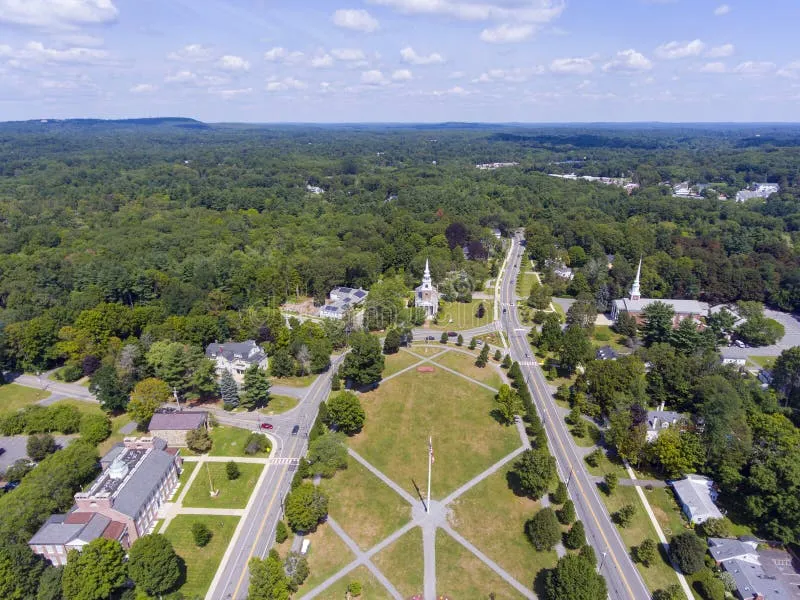 Photo: Framingham, Massachusetts, via thumbs.dreamstime.com
The transaction total was $23.47. Her bank statement showed a corresponding charge to CVS on the same date. But when she called the customer service number to inquire about store #4471, the representative spent twenty minutes searching before informing her that no such location existed in their system.
"I asked them to look it up three different ways," Molloy explained in a phone interview. "By store number, by the ZIP code listed on the receipt, even by the manager name that appeared on the transaction details. Nothing. But I had earned ExtraCare points from that purchase, and those points were sitting right there in my account."
Molloy's case represents a growing pattern of anomalous loyalty program activity that has emerged across multiple retail chains over the past eighteen months. Documentation obtained through Freedom of Information Act requests to state consumer protection agencies reveals similar reports filed in thirty-seven states, involving major retailers including Kroger, Safeway, Walgreens, and several regional grocery chains.
The SKU Code Mystery
What distinguishes these cases from simple billing errors or system glitches is the level of detail in the phantom transactions. Product SKU codes from the anomalous receipts correspond to legitimate items in corporate databases. Timestamps align with standard store operating hours. Even the promotional discounts and manufacturer coupons applied to these purchases follow normal retail protocols.
Dr. Sarah Chen, a retail systems analyst at Northwestern University who has reviewed dozens of these cases, notes that the transactions display "an internal consistency that would be nearly impossible to fabricate through database corruption or user error."
 Photo: Northwestern University, via i.ytimg.com
"These aren't random character strings or obviously corrupted data," Chen explains. "The product codes are valid, the store numbers follow corporate formatting conventions, and the transaction flows mirror normal point-of-sale protocols. Whatever generated these records understood retail systems at a very sophisticated level."
More puzzling are the products themselves. Cross-referencing the SKU codes against established Backrooms sustenance registries reveals an unusual concentration of shelf-stable items, basic medical supplies, and personal hygiene products—the exact type of provisions that survival guides for liminal spaces consistently recommend.
Geographic Clustering
Mapping the phantom store locations reveals distinct geographic patterns. The non-existent store numbers cluster around specific types of commercial architecture: strip malls built between 1975 and 1995, standalone pharmacies converted from other retail formats, and grocery stores positioned at the intersections of major suburban thoroughfares.
James Rodriguez, a former Safeway district manager who now works as an independent retail consultant, has identified what he terms "threshold architecture"—commercial spaces with specific design characteristics that appear more susceptible to these anomalies.
"We're looking at buildings with certain ceiling heights, fluorescent lighting configurations, and floor plans that follow particular geometric patterns," Rodriguez explains. "These aren't random locations. There's an architectural logic to where these phantom transactions are appearing."
State licensing databases show that many of the addresses associated with phantom store numbers correspond to commercial spaces that have remained vacant for extended periods, often cycling through multiple failed retail tenants before sitting empty.
The Point Accumulation Problem
What makes these cases particularly unsettling is that the loyalty programs continue to function normally around the anomalous transactions. Points earned from phantom purchases can be redeemed for legitimate rewards. Digital coupons delivered based on these purchase histories work perfectly at real store locations. The systems treat these transactions as completely normal, integrating them seamlessly into customer profiles and marketing algorithms.
Michael Torres discovered his phantom purchases while trying to understand why his Kroger Plus card was generating coupons for products he had never bought. His account showed regular transactions at a store #847 in Columbus, Ohio—a location that, according to corporate records, had been demolished in 2019 to make way for a highway expansion project.
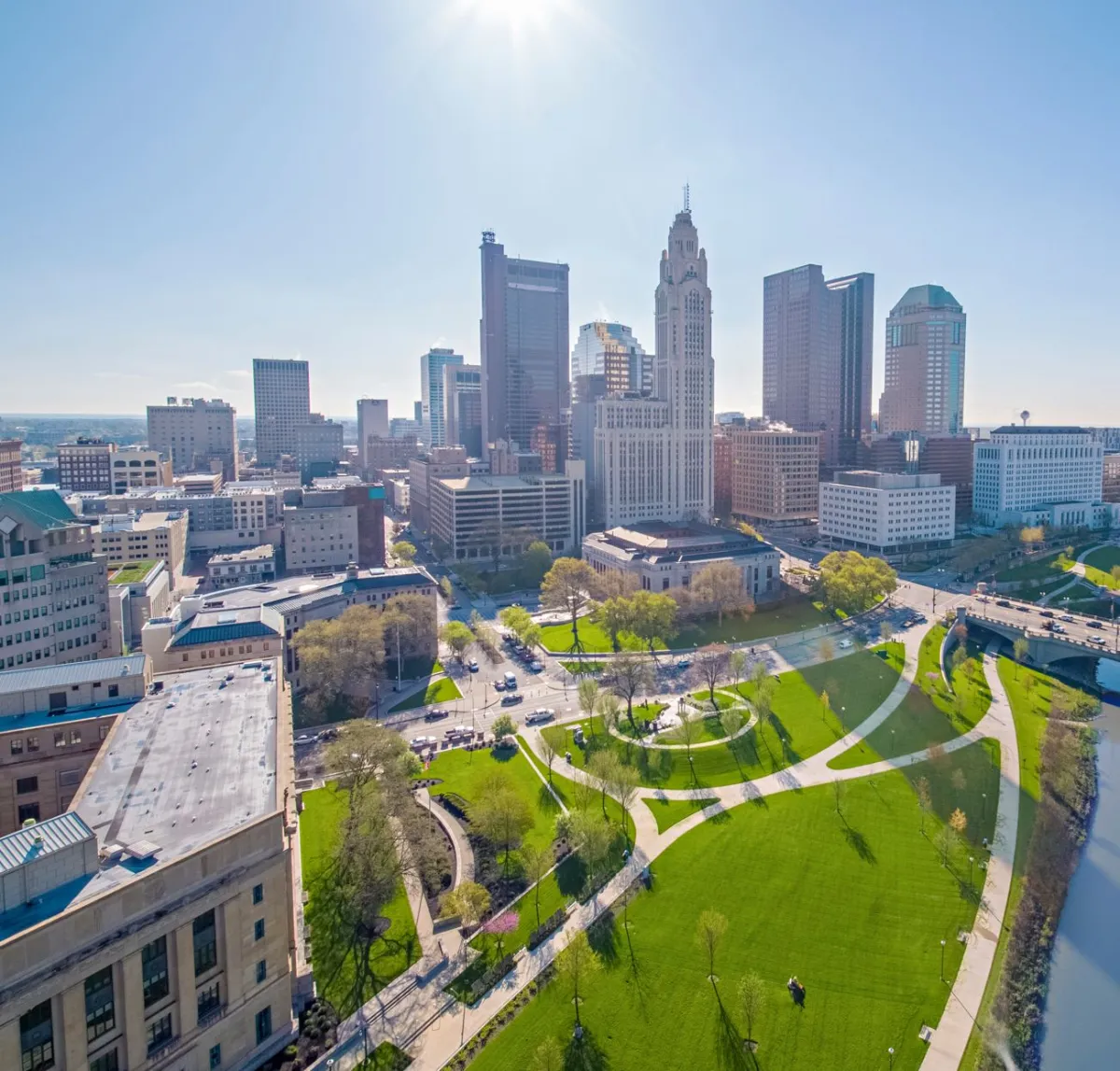 Photo: Columbus, Ohio, via i.pinimg.com
"The weird thing was, the coupons were actually useful," Torres recalls. "They were for exactly the kind of stuff I would buy—the right brands, the right sizes. It was like someone who knew my shopping habits was making purchases on my behalf."
Corporate Response
When contacted for comment, representatives from major retail chains consistently describe these reports as isolated system anomalies that their IT departments are "actively investigating." However, internal documentation suggests a different level of concern.
A leaked Walgreens technical bulletin from September 2023 instructs store managers to "avoid discussing phantom transaction reports with customers" and to "escalate all inquiries about non-existent store locations to corporate security immediately." The bulletin references an "ongoing investigation into unauthorized loyalty program access" but provides no additional details.
Similar protocols have been reported at other chains, suggesting coordinated response strategies across the retail industry. Customer service representatives appear to be trained to treat these inquiries as billing errors rather than system anomalies, often offering account credits or gift cards to resolve complaints without further investigation.
The Broader Pattern
Analysis of the phantom transactions reveals purchasing patterns that mirror documented behaviors of individuals who have reported experiences in liminal spaces. The emphasis on non-perishable foods, basic medical supplies, and personal hygiene items aligns closely with survival preparation guides circulated in online communities focused on spatial anomalies.
More troubling is the temporal clustering of these transactions. The vast majority occur during overnight hours when the corresponding real stores would be closed, suggesting either system automation or purchasing activity taking place in spaces that operate on different schedules than conventional retail environments.
The loyalty program infrastructure, designed to track and reward customer behavior across vast networks of retail locations, may have inadvertently created a logging system for commercial activity that extends beyond official store directories. The cards continue to accumulate points, the systems continue to issue rewards, and the databases continue to function—all while documenting transactions from places that, according to corporate records, do not exist.
As more Americans discover these anomalous purchase histories in their accounts, the question becomes not whether the transactions are real, but whether the stores found the customers, or the customers found something else entirely. The loyalty programs keep logging, keep rewarding points, as though nothing about these purchases was unusual. In the infrastructure of American retail, the systems have learned to recognize patterns that their creators never intended to track.