The Crossing Guard: A Story of the Woman Who Stopped Traffic for Children Who Cast No Shadows
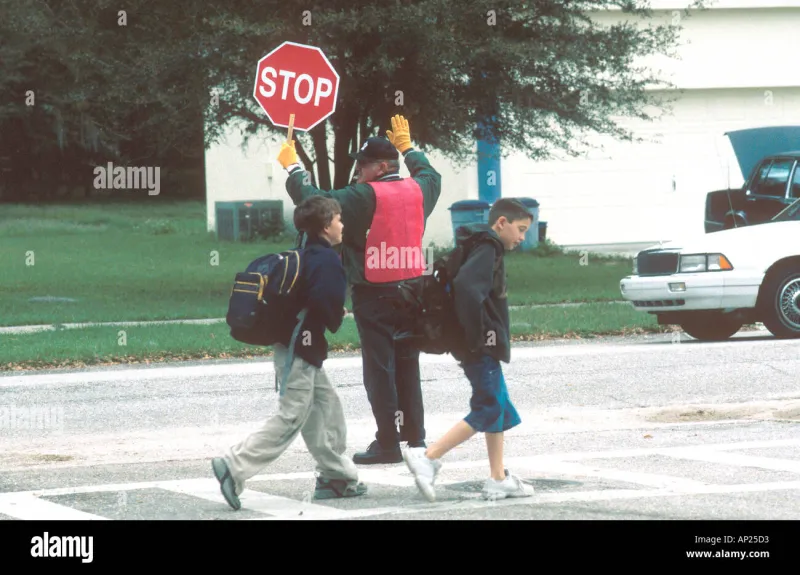
Photo: crossing guard stop sign elementary school intersection suburban street, via c8.alamy.com
I've been standing at this corner for seventeen years. Same orange vest, same stop sign, same intersection where Maple Street meets Elmwood Drive. The crossing guard position at Oakwood Elementary isn't glamorous work, but it's honest work, and I've always taken pride in keeping the children safe.
 Photo: Elmwood Drive, via www.blueberrycommercial.ca
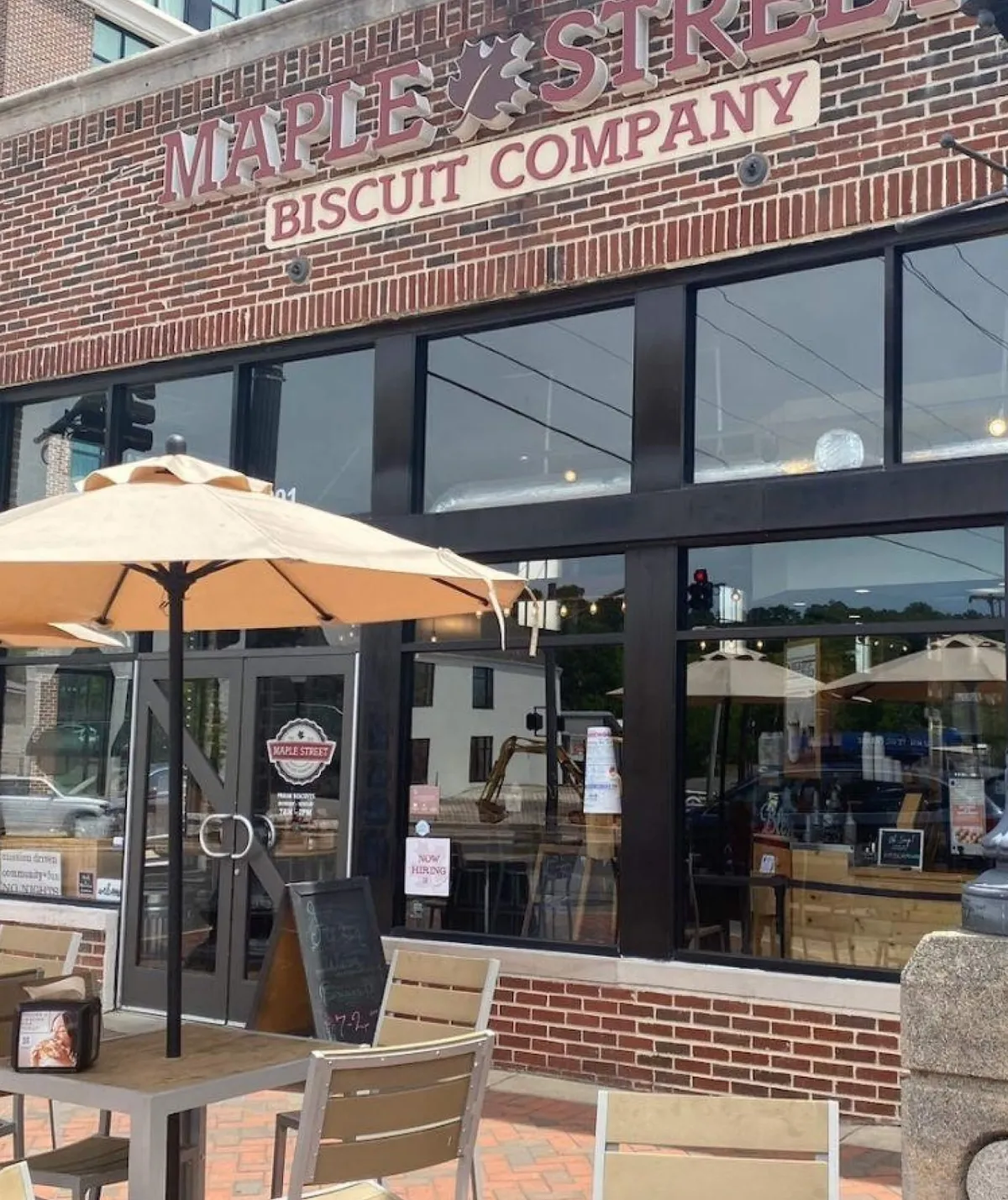 Photo: Maple Street, via images.squarespace-cdn.com
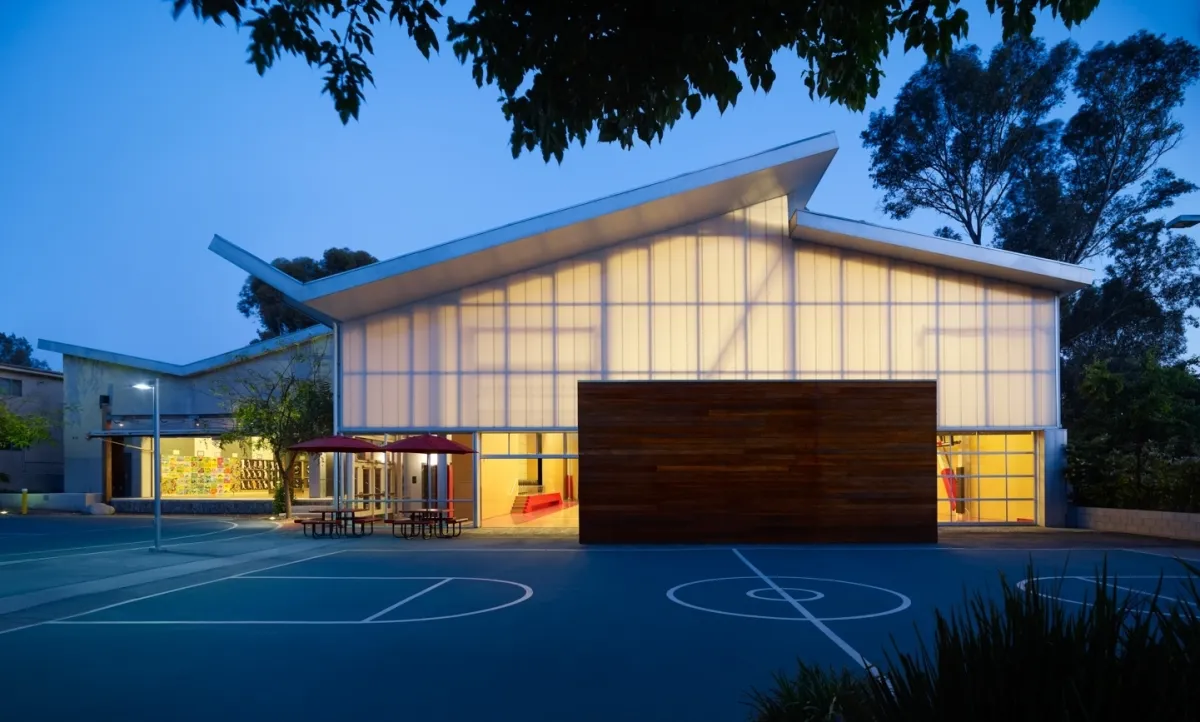 Photo: Oakwood Elementary, via images.squarespace-cdn.com
The first sign something was wrong came on a Tuesday in October. I'd been waving kids across since 3:15, and my shift was supposed to end at 4:00. But when I checked my watch, it still read 3:47. I figured the battery was dying, but when I looked up at the school's clock tower, it showed the same time. Twenty minutes later, still 3:47.
The children kept coming. Same backpacks, same chatter, same hurried parents in idling SUVs. But they walked a little slower than usual, their voices carrying less. I told myself it was just the October chill settling in, making everyone sluggish.
By Thursday, I noticed their shadows.
Or rather, I noticed the absence of them.
It started with little Emma Patterson, the second-grader with pigtails who always waved at me. She crossed in the afternoon sun, but the pavement beneath her remained uniformly gray. I blinked, looked again, and her shadow was there—faint, but present. I blamed my eyes. Seventeen years of staring at sun-bleached asphalt will do that to you.
But then I started watching more carefully.
The Henderson twins crossed together, holding hands like always, but only one shadow followed them across. Marcus Chen ran past with his soccer ball, but the ball's shadow bounced alone. By the following week, I was seeing children with no shadows at all—clear as day, solid as life, but casting no darkness on the ground beneath them.
I tried to mention it to Principal Morrison, but she always seemed to be in a meeting. I tried to talk to the other faculty, but they'd nod politely and change the subject. The children themselves never responded when I spoke to them directly. They'd look through me with those bright, empty eyes and continue across the street.
The intersection began changing too, in ways I couldn't quite articulate. The crosswalk stripes seemed longer some days, requiring more steps to traverse. The stop sign felt heavier in my hands, and sometimes when I raised it, cars would stop at distances that didn't make geometric sense—too far away, or close enough that I should have been able to read the driver's license plates, but their faces remained indistinct blurs.
The light never changed anymore. Not properly. It would cycle from red to green to yellow, but the timing felt elastic, stretched like taffy. I'd count the seconds—one Mississippi, two Mississippi—but the numbers would slip away from me. Time moved differently here, pooling in the intersection like water in a depression.
I started bringing a thermos of coffee to mark the passage of real time, but it stayed warm for hours. The sun hung at the same angle all afternoon, casting those absent shadows in unchanging directions. Parents in cars would wave at me from behind windshields that reflected nothing but empty sky.
Last week, I tried to leave early. My shift was over—had been over for what felt like hours—and I walked toward my car in the school parking lot. But the lot stretched further than it should have, and every time I thought I was getting close to my blue Honda, I'd find myself back at the corner, stop sign in hand, orange vest secure across my shoulders.
The children keep coming.
They cross from one side of the street to the other, but I'm no longer certain those sides connect to the same world. The school building behind me feels hollow when I glance back, its windows reflecting interiors that don't match the classrooms I remember. The residential street ahead disappears into a haze that might be distance or might be something else entirely.
I've stopped trying to count the children. They blur together now—the same faces, the same backpacks, the same silence. Sometimes I think I recognize a child I guided across an hour ago, or a day ago, or a year ago. Time doesn't work properly here anymore.
My watch stopped entirely yesterday. The hands point to 3:47, frozen in the moment when everything began to stretch and warp. But I keep standing at my post, raising my stop sign when children approach, waving them across the intersection that grows longer with each crossing.
I am still here. The children are still crossing. The light still cycles through its endless sequence.
Whether the street they're crossing still leads anywhere real, I can no longer say. But they trust me to keep them safe, these shadowless children with their empty eyes and silent voices. And I will not abandon my post.
Not while they still need me to guide them across.