Dale Pruitt had walked the same route through Westfield Commons for three months. Badge in, check the doors, log anomalies, badge out. The mall had been empty since October—another casualty of Amazon and the pandemic—but the insurance company still required overnight security until the demolition permits cleared.
 Photo: Dale Pruitt, via cache.legacy.net
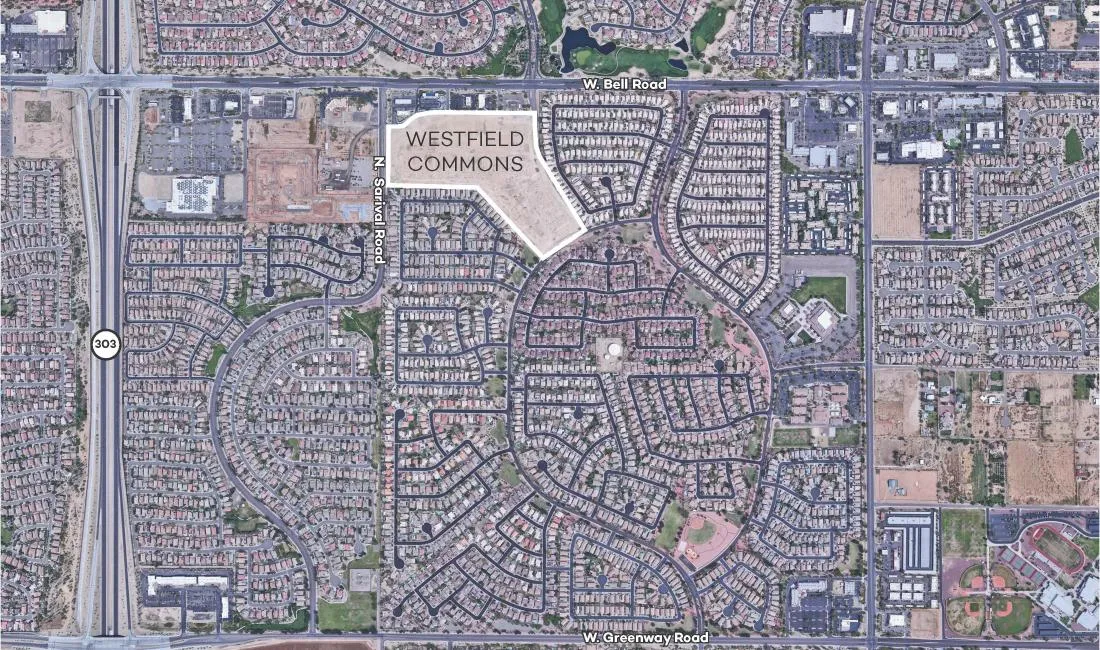 Photo: Westfield Commons, via www.westfield-co.com
The fluorescent strips hummed their familiar tune as Dale's keycard chirped him through the service door marked "Authorized Personnel Only." His wrist monitor displayed the camera feeds: empty storefronts, motionless escalators, the food court tables stacked like sleeping animals. Everything exactly as it should be at 2:47 AM.
The service corridors beneath Westfield Commons were a maze of beige walls and industrial carpet the color of old coffee. Dale had memorized the route: north past the electrical room, east through the loading dock access, south past the old Radio Shack storage, then west back to the security office. Fifteen minutes if he kept moving. The company manual was clear about that—keep moving, maintain visibility, document everything.
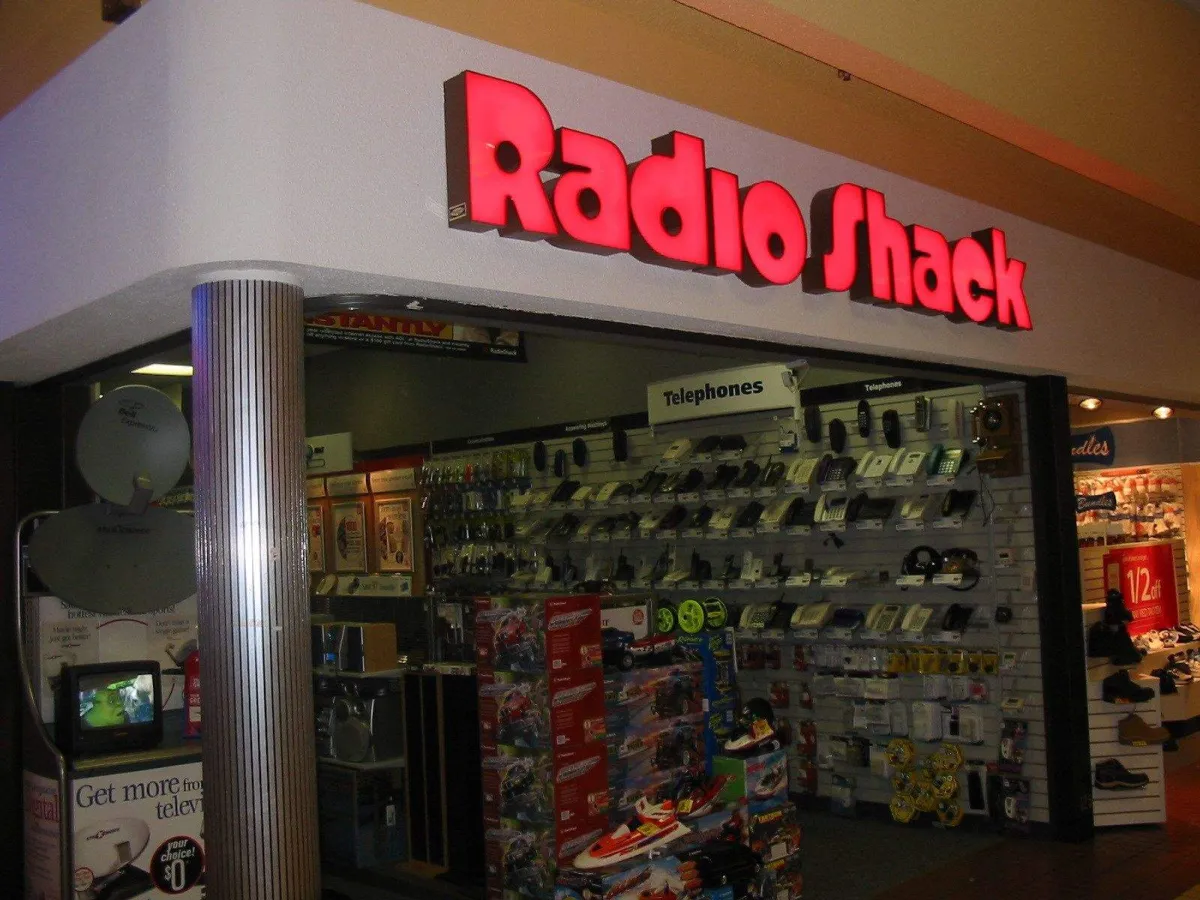 Photo: Radio Shack, via i.redd.it
But tonight, something felt different about the carpet.
It squelched slightly under his boots, though the maintenance logs showed no water damage. The sound echoed wrong in the narrow hallway, as if the walls were farther apart than they appeared. Dale paused at the first turn, checking his monitor. The cameras still showed the main concourse, still empty, timestamp advancing normally.
He turned east.
The loading dock access should have been fifty feet ahead, marked by the red exit sign that had been flickering since his first shift. Instead, the corridor stretched on, identical fluorescent panels casting their sick yellow light on walls that seemed to breathe with the building's ventilation system.
Dale checked his watch. 2:52 AM. He'd been walking for eight minutes, but the hallway showed no signs of ending. The carpet beneath his feet made that wet sound with each step, though when he knelt to touch it, his fingers came away dry.
The radio on his belt crackled to life.
"Unit 7, status report."
Dale lifted the radio, thumb hovering over the talk button. Through the static, he could hear the dispatcher's coffee-stained voice, the same woman who'd been working nights since the mall opened in 1987. He started to respond, then stopped.
Something was moving in the hallway ahead.
Not walking—adjusting. Like someone shifting their weight from foot to foot, the carpet squelching with each small movement. Dale killed his flashlight and listened. The fluorescents hummed their endless song. The ventilation system wheezed. And underneath it all, the sound of something patient, something that had been waiting.
"Unit 7, please respond."
Dale's training manual had covered this scenario. Sort of. "Document anomalies. Maintain radio contact. Do not investigate unusual sounds alone." But the manual assumed the building had edges, assumed corridors that ended where they were supposed to end.
He turned around.
The hallway behind him stretched into identical infinity. The service door marked "Authorized Personnel Only" was gone. In its place, more beige walls, more fluorescent strips, more carpet that squelched with moisture that shouldn't exist.
Dale's wrist monitor still showed the camera feeds. He watched himself—or something wearing his uniform—complete the patrol route in the real Westfield Commons. The figure on screen moved with his gait, checked the same doors, logged the same anomalies. But Dale was here, wherever here was, listening to something shift its weight in the endless hallway ahead.
He started walking again because standing still felt worse.
The thing in the corridor stayed exactly one corner ahead, always just out of sight. Dale could hear it moving when he moved, stopping when he stopped. His radio crackled intermittently with dispatch calls for other units, other buildings, other guards who were exactly where they were supposed to be.
At 3:15 AM, Dale found the first door.
It was identical to every other service door he'd seen—gray metal, "Authorized Personnel Only" stenciled in block letters. But when he swiped his keycard, the reader flashed red. Access denied.
He tried again. Red.
The sound ahead of him had stopped.
Dale looked down at his wrist monitor. The screen showed static now, white noise that hurt to look at. When he raised his eyes, the corridor had changed. The fluorescent strips stretched further into the distance, and the carpet looked darker, as if it had absorbed something it shouldn't have.
He kept walking because the manual said to keep moving, because standing still in a place that shouldn't exist felt like giving up, because somewhere behind him—or ahead of him, or beside him in dimensions that didn't have names—something was learning to walk like a security guard.
Dale Pruitt's shift was scheduled to end at 6 AM. The timestamp on his wrist monitor had stopped at 3:16, but the fluorescent lights hummed on, eternal and patient, lighting a corridor that had no beginning and no end, where the carpet stayed wet with nothing, and something that had never been human practiced the rhythm of regulation footsteps.
He was still walking when the morning shift arrived at Westfield Commons to find an empty security office and a badge scanner that showed Dale had never clocked out.