Sarah Mitchell returned to her apartment in Portland with a grocery receipt in her pocket dated six weeks in the future. The timestamp read 3:47 PM on a Tuesday that wouldn't exist for another month and a half. She had been missing for eighteen hours.
"I bought those items," Mitchell insists, examining the receipt for organic bananas, whole wheat bread, and orange juice—products she distinctly remembers purchasing at a Safeway that existed somewhere in the endless yellow maze she'd fallen into. "I remember the cashier, an older woman with gray hair. I remember the conversation about the weather. But according to this receipt, it happened in a time that hasn't come yet."
Mitchell's receipt joins a growing archive of temporal artifacts recovered from individuals claiming to have returned from spatial displacement events. These objects—mundane items like receipts, medication bottles, parking tickets, and digital devices—serve as involuntary chronometers, documenting elapsed time in ways that consistently contradict their carriers' subjective experiences.
The Archive of Impossible Time
Dr. Elena Vasquez, a temporal mechanics researcher at UC Berkeley, has been cataloging these artifacts since 2018. Her collection now includes over 200 items recovered from alleged returnees, each presenting temporal data that defies conventional understanding of linear time.
 Photo: UC Berkeley, via mymajors.com
"The objects don't lie," Vasquez states. "A prescription bottle with pills that have expired three years beyond the fill date. A smartphone with a battery that has gone through 400 charge cycles despite the owner claiming to have been gone for only a day. These items have experienced time, even if their owners haven't."
The most compelling case involves David Chen, a software engineer from Seattle who disappeared during his lunch break in November 2020. When he emerged from a maintenance corridor in his office building thirty-six hours later, his insulin pen showed a manufacture date of January 2024—more than three years in the future. The pen's digital display indicated it had been used consistently over a period of fourteen months, despite Chen's insistence that he had been lost for less than two days.
"I remember using it maybe three or four times while I was... wherever I was," Chen recalls. "But the usage log shows daily injections for over a year. Either the device is malfunctioning, or I lived through time I don't remember."
Chronological Contradictions
The temporal inconsistencies follow disturbing patterns. Food items consistently show signs of aging that exceed their carriers' subjective experience by factors of weeks, months, or years. Medications display usage patterns suggesting regular consumption over extended periods. Digital devices show battery degradation and data logs indicating continuous operation far beyond their owners' memories.
Jessica Hartwell, a nurse from Denver, returned from a three-day absence with a half-eaten sandwich in her purse that had molded over what appeared to be several weeks. The bread showed advanced decomposition consistent with prolonged exposure to moisture and warm temperatures, despite Hartwell's memory of purchasing it fresh from a vending machine she encountered "maybe an hour" into her displacement.
"The mold patterns were extensive," notes mycologist Dr. Robert Kim, who analyzed the sandwich. "This level of fungal growth requires sustained environmental conditions over at least two to three weeks. Yet Ms. Hartwell was only reported missing for seventy-two hours."
Digital Witnesses
Electronic devices provide the most precise temporal documentation. Smartphones, fitness trackers, and digital watches recovered from returnees consistently show evidence of extended operation despite their owners' brief subjective experiences.
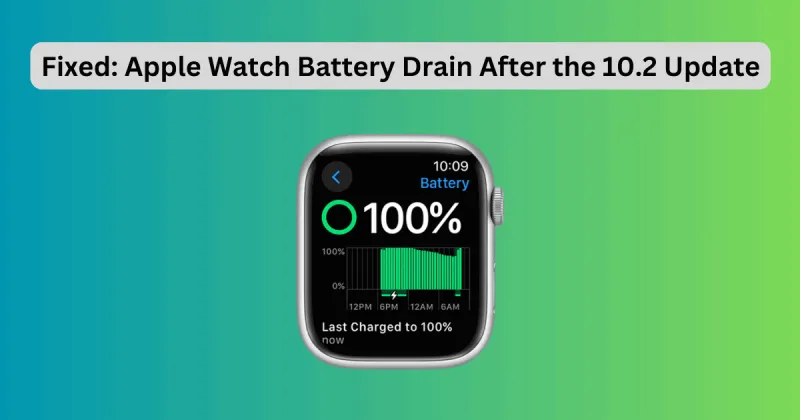
Mark Sullivan's Apple Watch, recovered after his return from a four-hour displacement event, contained six months of step data, heart rate monitoring, and sleep cycle tracking. The device recorded 47,000 steps during a period when Sullivan remembers walking "maybe a few miles" through identical yellow corridors.
"The watch thinks I lived through six months," Sullivan explains. "It tracked my sleep every night, recorded my workouts, even reminded me to stand up every hour. But I only remember being gone for part of an afternoon."
The device's GPS logs show continuous failed location attempts, suggesting extended periods in spaces that exist outside normal geographic coordinates. Battery usage patterns indicate the watch operated continuously without charging, despite showing normal power consumption rates.
Metabolic Mysteries
Perhaps most disturbing are the biological indicators found on personal items. Medication dosage patterns suggest bodies aging and requiring treatment over periods far exceeding conscious memory. Partially consumed food items show bite patterns and digestive enzymes indicating multiple meals consumed over extended timeframes.
Dr. Amanda Foster, a biochemist analyzing these artifacts, has identified consistent metabolic markers. "The saliva traces on water bottles, the wear patterns on dental appliances, the degradation of organic materials—everything suggests extended human interaction over periods measured in months or years, not hours or days."
One particularly compelling case involves Maria Santos, whose emergency inhaler showed 400 actuations despite her memory of using it only twice during her displacement. The device's internal counter and chemical analysis of residual medication confirmed extensive usage over approximately eight months.
"I have asthma," Santos explains. "I know my usage patterns. Two puffs when I got anxious in that place, maybe one more when I was running from something I heard. But the inhaler says I used it twice daily for eight months. Either I'm losing my mind, or I lived through time I can't remember."
The Question of Subjective Time
The implications challenge fundamental assumptions about consciousness and temporal experience. If objects accurately record extended periods while their carriers remember only brief displacement, what happens to the missing time? Do returnees live through extended periods in accelerated states of consciousness? Do they forget vast stretches of experience upon return?
Vasquez's research suggests the objects themselves may be the most reliable witnesses to what actually occurs during displacement events. "Human memory is notoriously unreliable, especially under extreme stress," she notes. "But physical objects don't forget. They accumulate evidence of every moment they exist, every interaction, every environmental exposure."
The temporal artifacts paint a picture of displacement that extends far beyond brief misadventures in impossible spaces. They suggest extended residency in places that operate according to different temporal rules—places where months or years can pass while the outside world experiences only hours or days.
For those who return carrying these impossible chronometers, the objects serve as persistent reminders that their experience of time may be fundamentally unreliable. The receipts, prescriptions, and digital logs whisper of lost months and forgotten years, of lives lived in spaces that shouldn't exist, in time that may never have passed at all.