Marcus Delacroix had perfected the art of staying awake between midnight and eight AM. Three years of night auditing at the Riverside Inn had taught him the precise choreography of solitude: check the doors at 1 AM, balance the books by 2, clean the lobby by 3, and spend the dead hours between 4 and 6 watching old movies on the office computer while listening for the elevator's arthritic wheeze.
 Photo: Marcus Delacroix, via images.squarespace-cdn.com
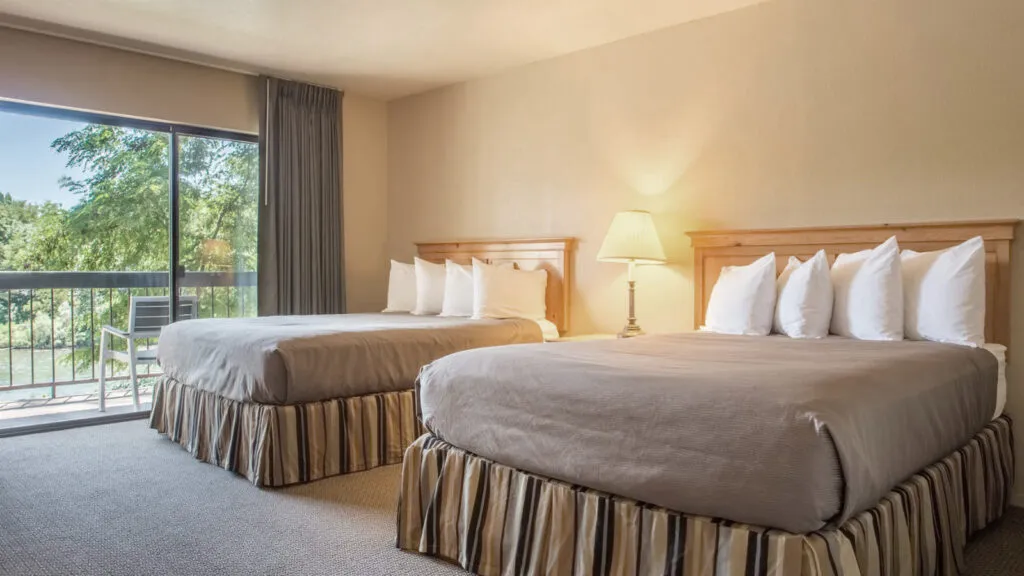 Photo: Riverside Inn, via riverside-inn.com
The guest in Room 114 had arrived sometime after Marcus's 1 AM rounds. He remembered the soft ding of the front desk bell pulling him from a spreadsheet, the sound echoing through the empty lobby like a coin dropped in a cathedral. When he looked up, a middle-aged man in a wrinkled business suit stood waiting, briefcase in hand, eyes fixed on something just past Marcus's left shoulder.
"I need a room," the man said. His voice carried the flat exhaustion of someone who had driven too far on too little sleep.
Marcus pulled up the reservation system, fingers moving automatically across keys he could navigate in darkness. "Name?"
"Hendricks. Robert Hendricks."
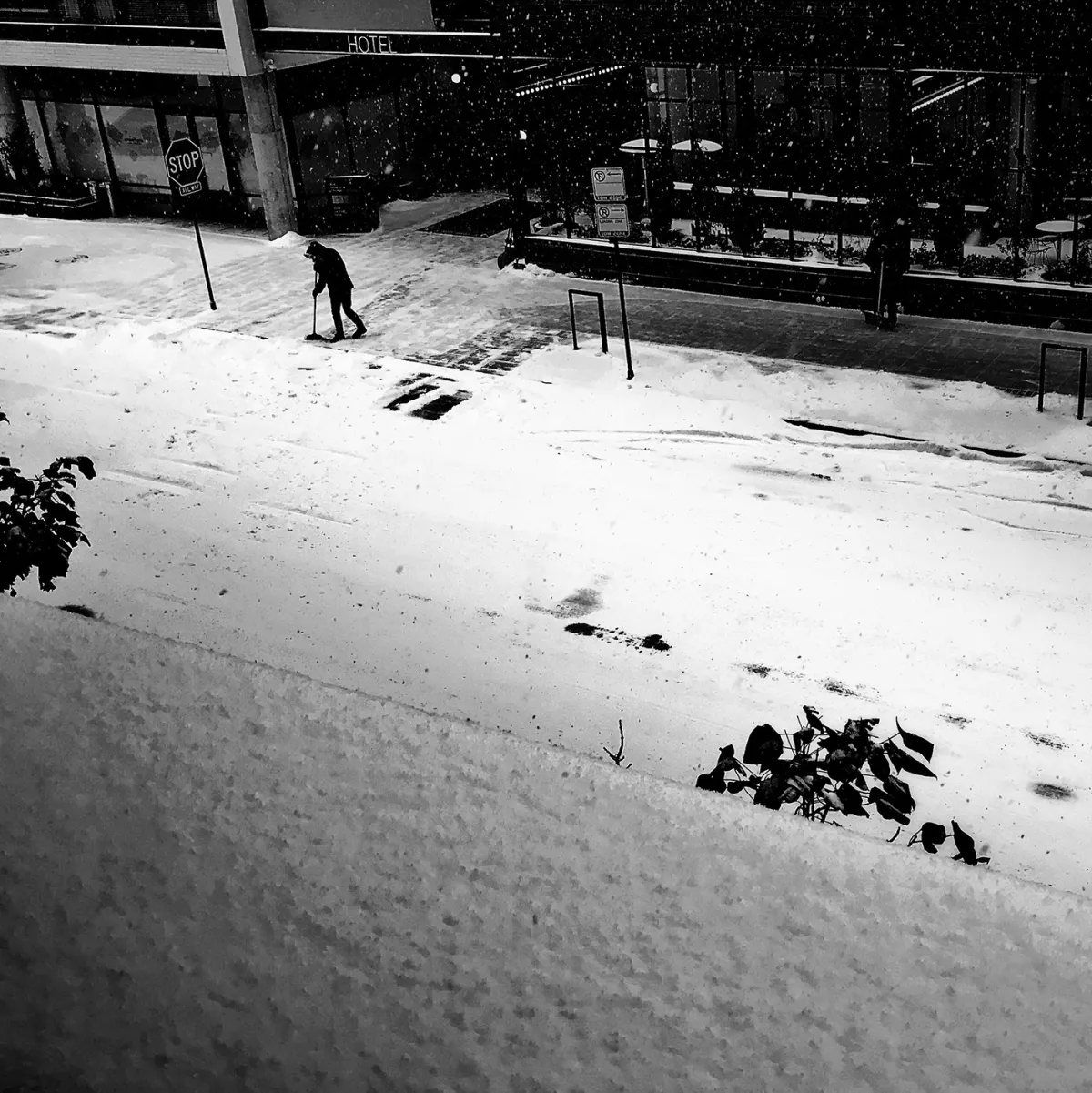 Photo: Robert Hendricks, via roberthendricks.net
The computer showed no reservation under that name. Marcus tried variations—Bob, R. Hendricks, even misspellings—but the system returned nothing. "I'm not seeing a reservation, sir. But we do have availability."
Hendricks nodded as if this were expected. "Room 114, if it's available."
Marcus checked. Room 114 was indeed empty, though something about the request felt oddly specific. Most walk-in guests didn't request particular rooms, especially not at 2:47 AM. But the night shift had taught him not to question the small peculiarities of human behavior. People traveled at strange hours for stranger reasons.
He processed the payment—cash, exact change—and handed over the key card. Hendricks took it without a word and disappeared into the elevator. Marcus watched the floor indicator climb to the second floor, then stop. The lobby returned to its familiar silence.
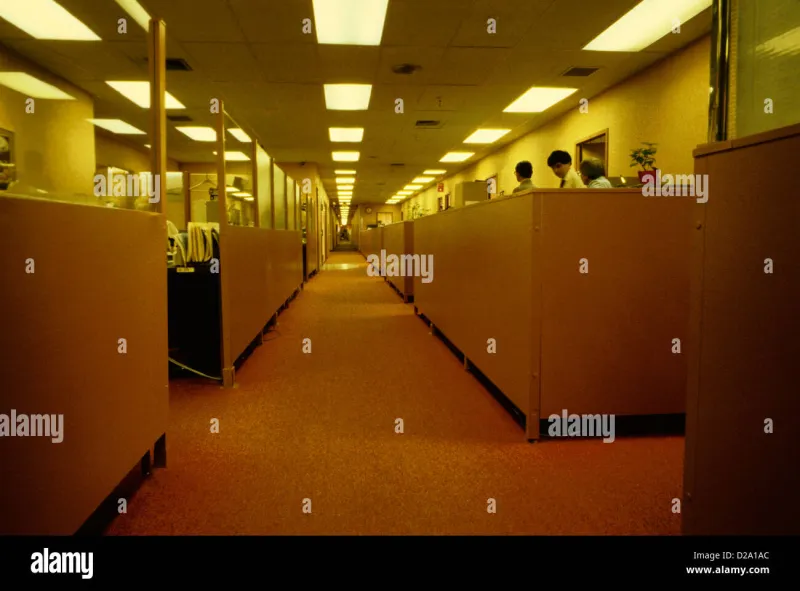
It was during his 3 AM security walk that Marcus first noticed the hallway had changed.
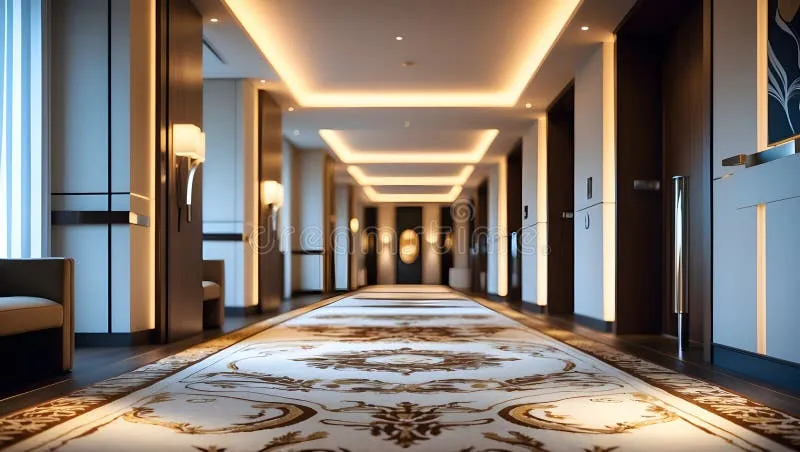
The second floor corridor stretched from the elevator to the emergency exit, a straight line punctuated by eighteen rooms on each side. Marcus had walked this hallway hundreds of times, knew its rhythm like a familiar song: elevator, ice machine, Rooms 101-103, fire extinguisher, Rooms 104-106, and so on until the red EXIT sign at the far end.
But tonight, walking toward Room 114, the pattern felt wrong.
The wallpaper—burgundy with gold fleurs-de-lis—repeated its pattern every six feet. Marcus had never counted the repetitions before, but some unconscious part of his mind had catalogued them. Tonight, there were too many. Between the ice machine and Room 114, the pattern repeated seven times instead of five.
He stopped, counting again. Seven repetitions. The hallway was longer.
Marcus shook his head, attributing the discrepancy to fatigue. Night shifts played tricks on perception. He'd learned to distrust his eyes during the small hours when shadows moved independently and familiar spaces wore unfamiliar faces.
Room 114's door looked identical to every other door: white paint, brass numbers, standard hotel lock. But standing before it, Marcus felt an inexplicable certainty that something was wrong. The silence was too complete. Hotel corridors were never truly silent—air conditioning hummed, pipes settled, televisions murmured through thin walls. Here, the quiet felt manufactured, as if sound itself had been carefully removed.
He pressed his ear to the door. Nothing.
Returning to the lobby, Marcus pulled up the guest registry. Robert Hendricks, Room 114, checked in at 2:47 AM. But scrolling through the night's transactions, he found no record of processing the payment. No credit card authorization, no cash receipt, nothing. According to the system, Room 114 remained unoccupied.
The phone rang at 4:23 AM.
"Front desk, this is Marcus."
Silence, then a voice he recognized as Hendricks: "The ice machine on this floor isn't working."
Marcus glanced at his maintenance log. No reported issues with the second-floor ice machine. "I can send someone up to look at it, sir, but housekeeping won't be in until—"
The line went dead.
Marcus checked the caller ID. Extension 114. But Room 114 didn't have an internal phone line—the Riverside Inn's aging phone system only covered odd-numbered rooms. Extension 114 shouldn't exist.
He called the room back. The phone rang endlessly, each tone stretching longer than the last, until the sound became less like ringing and more like breathing.
At 5:15 AM, Marcus climbed to the second floor again. The hallway had grown longer still. Now nine repetitions of wallpaper pattern stretched between the ice machine and Room 114. The corridor that should have ended at the emergency exit seemed to curve slightly, as if the building had developed new geometry while he wasn't looking.
The ice machine hummed with unusual intensity, its mechanical breathing synchronized with something Marcus couldn't identify. As he approached Room 114, he noticed the carpet beneath his feet—standard hotel burgundy with gold threading—had developed a subtle dampness. Not wet, exactly, but yielding in a way that suggested moisture somewhere beneath.
He knocked on the door. "Mr. Hendricks? This is the front desk. You called about the ice machine?"
No response, but from inside the room came a sound like papers rustling, or perhaps something larger moving carefully across carpet.
Marcus used his master key. The lock clicked, but the door wouldn't open. Not locked—stuck, as if the frame had warped slightly out of true. He pushed harder, and the door finally gave way with a soft sigh that sounded almost relieved.
Room 114 was empty. The bed remained made, towels undisturbed, no luggage or personal items. But the air carried the lingering scent of something Marcus couldn't identify—not cologne or soap, but something organic and patient.
On the nightstand, a single sheet of hotel stationary bore a handwritten note in careful script: "The corridor remembers what we forget. Check the morning registry."
Marcus returned to the lobby as dawn light began filtering through the front windows. The morning shift would arrive soon—Sarah, who would bring coffee and normal conversation and the comfortable predictability of daylight hours.
He pulled up the guest registry one final time. Robert Hendricks, Room 114, checked out at 6:00 AM. But the timestamp showed tomorrow's date. According to the system, Hendricks had checked out twenty-four hours in the future.
Sarah arrived at 7:45 AM, fifteen minutes early as always. She found Marcus standing in the lobby, staring at the computer screen.
"How was the night?" she asked, setting down her coffee.
Marcus looked at her, then back at the screen. "Quiet," he said finally. "Just another quiet night."
But as Sarah began her morning routine, Marcus noticed she kept glancing toward the elevator, as if expecting someone to emerge. And when she asked about the guest in 114—a question that made no sense, since the system showed the room as vacant—Marcus realized that some changes rippled forward as well as back.
He left work that morning through the back exit, avoiding the elevator entirely. But as he walked to his car, he could see the second-floor windows reflected in his windshield. The corridor behind those windows stretched longer than the building that contained it, and somewhere in that impossible distance, a figure stood watching.
Marcus drove home through streets that seemed familiar but arranged in an order he didn't quite remember, while behind him, the Riverside Inn settled into its daytime configuration, patient and ordinary and absolutely unchanged.