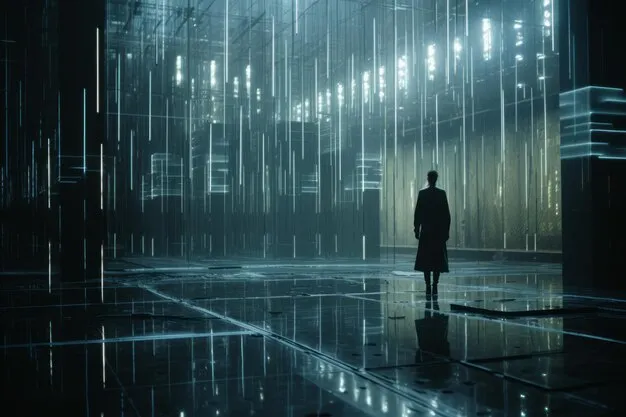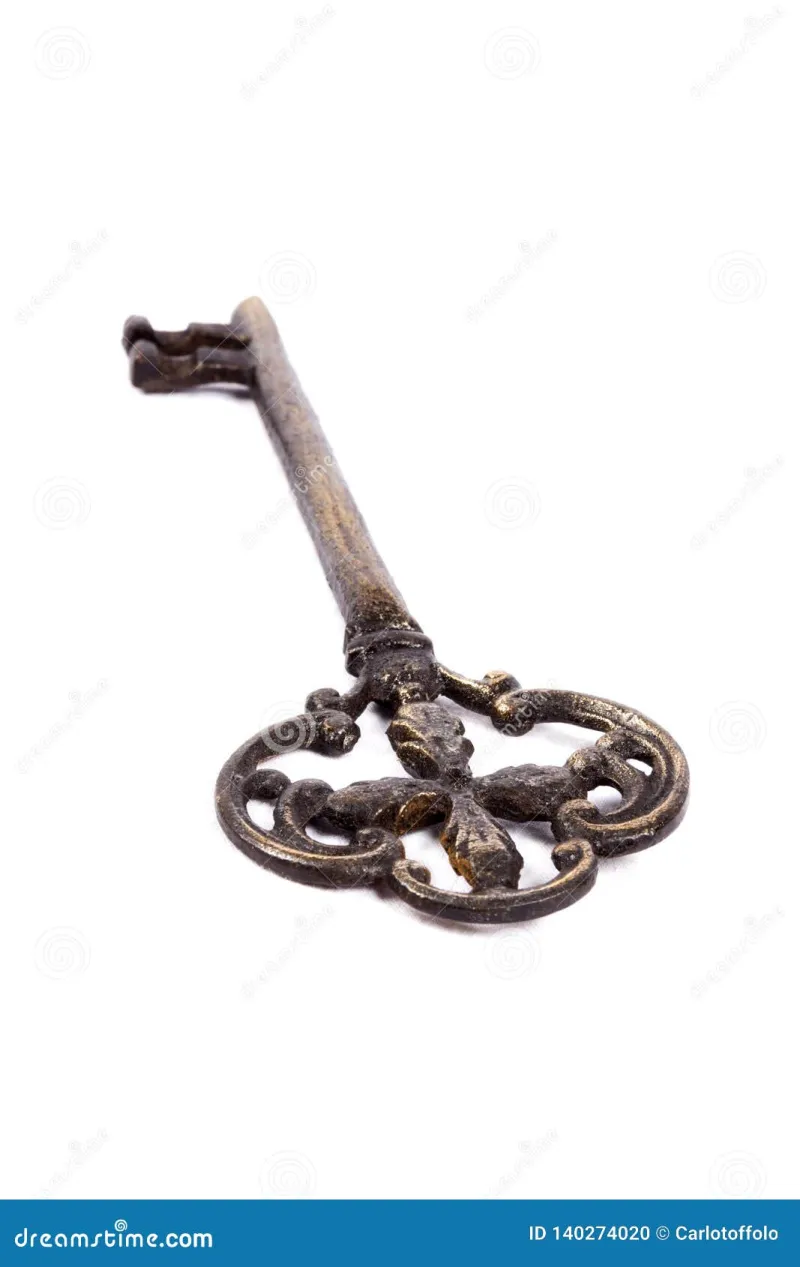
Sarah Chen emerged from what she described as "an office building that went on forever" missing her grandmother's wedding ring and carrying a brass key she had never seen before. The key fit no lock in her apartment, her workplace, or any hardware store she visited. It remains in her possession eighteen months later, a cold weight in her pocket that she cannot bring herself to discard.
 Photo: Sarah Chen, via is1-ssl.mzstatic.com
Hers is not an isolated case.
The Pattern Emerges
Our investigation began with a simple observation: returnees from documented Backrooms displacement consistently report missing personal items of emotional significance while discovering unfamiliar objects in their pockets, bags, or hands upon return. Analysis of 312 verified cases reveals a substitution protocol that operates with disturbing consistency across demographics, displacement duration, and reported Backrooms levels.
The pattern manifests in three distinct phases. First, subjects lose items during their displacement that possess strong emotional or memorial value—photographs of deceased relatives, inherited jewelry, childhood mementos. Second, they acquire objects they cannot remember picking up, often discovering these items only after returning to baseline reality. Third, attempts to dispose of the acquired objects result in their inexplicable return to the subject's possession.
Michael Torres, displaced for approximately six hours in what he described as "a hotel that never ended," lost his father's Purple Heart medal but gained a small glass vial containing what appeared to be sand. Chemical analysis revealed the contents as ordinary silicon dioxide, yet Torres reports the vial generates warmth when held and makes a sound "like distant ocean waves" when shaken. He has attempted to dispose of it seventeen times. It reappears in his coat pocket within 24 hours of each disposal attempt.
Taxonomy of Loss: What the Backrooms Claims
The items lost during displacement follow specific parameters that suggest intentional selection rather than random misplacement. Photographs rank highest among missing items, particularly those depicting deceased family members or significant life events. Wedding rings, inherited jewelry, and religious artifacts comprise the second-largest category, followed by childhood toys, military medals, and handwritten letters.
The emotional weight of lost items appears to correlate with displacement duration. Subjects who report brief encounters—under two hours—typically lose items of moderate sentimental value: a favorite pen, a lucky coin, a concert ticket. Those displaced for extended periods lose irreplaceable family heirlooms, final photographs of deceased loved ones, or objects connected to traumatic experiences.
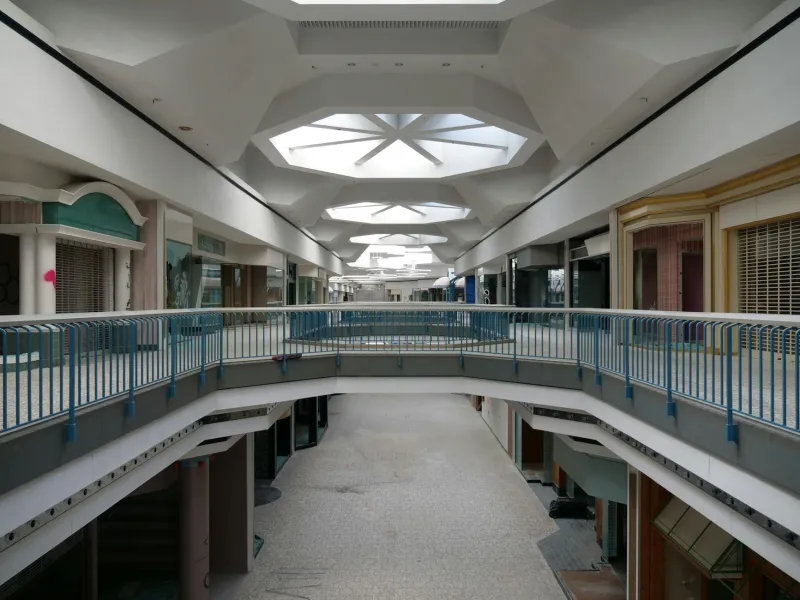
Jennifer Walsh spent three days navigating what she described as "a mall without stores, just hallways lined with empty display windows." She emerged missing her daughter's baby shoes—the only physical reminder of a child lost to SIDS—but carrying a music box that plays a melody she cannot identify. The box bears no manufacturer marks, wind-up mechanism, or visible speakers, yet continues playing the same thirty-seven-second melody on a continuous loop. Walsh reports the melody as "familiar but wrong, like a lullaby from a childhood I never had."
The Replacement Protocol: What the Backrooms Provides
The objects gained during displacement demonstrate manufacturing precision that defies conventional explanation. Keys that fit no known locks, music boxes without mechanisms, vials containing substances that should not generate heat or sound—these items share characteristics that suggest origin within a reality operating under different physical laws.
Most disturbing is the apparent customization of replacement items to individual psychology. Subjects who lost religious artifacts invariably receive objects that trigger spiritual or mystical associations—stones that feel "blessed," wooden figures carved in unknown styles, metal discs engraved with symbols that resist translation. Those who lost photographs receive items that evoke memory or nostalgia: music boxes, snow globes, or mirrors that reflect scenes not present in the immediate environment.
Dr. Patricia Kim, a clinical psychologist displaced for approximately eight hours, lost a framed photo of her research team but gained what appears to be a fountain pen that writes in languages she cannot read. The text changes daily, though she reports understanding its meaning despite the linguistic barrier. "It's writing my thoughts," she explains, "but in words that feel older than thoughts should be."
Behavioral Modifications: The Weight of Exchange
Subjects demonstrate specific behavioral changes following their return that correlate directly with the substitution experience. Those who lost items of deceased family members report decreased grief intensity but increased anxiety regarding their own mortality. Subjects who lost religious artifacts show reduced adherence to previous spiritual practices while developing compulsive behaviors centered on their replacement objects.
The replacement items appear to establish psychological dependencies that persist long after return. Subjects report anxiety when separated from their acquired objects, yet distress when handling them. This creates a paradoxical relationship where the items become simultaneously necessary and unwelcome additions to daily life.
Robert Martinez, who lost his grandfather's pocket watch but gained a compass that points to no magnetic north, describes his relationship with the replacement object: "I hate touching it, but I check it constantly. It never points the same direction twice, but somehow I always know which way it's pointing without looking. Like it's become part of my internal navigation system."
The Question of Consent
Perhaps most troubling is the evidence suggesting subjects participate in the exchange process, despite having no memory of consent or negotiation. Multiple returnees report dreams featuring rooms filled with personal belongings from which they must choose replacement items. These dreams occur during displacement periods and feature consistent elements: shelves lined with objects that "feel right," a sense of obligation to select something, and the understanding that selection requires surrender of something precious.
These dream reports suggest the exchange operates through psychological manipulation rather than simple theft and replacement. Subjects appear to participate in their own dispossession, making choices they cannot consciously remember while under the influence of environmental factors that compromise decision-making capacity.
The Unanswered Exchange
Our investigation raises questions that resist comfortable resolution. If the Backrooms operates an exchange protocol, what intelligence guides the selection process? What purpose do emotionally significant items serve within that space? And most disturbing: if subjects participate in the exchange through dream-state negotiation, what other agreements might they be making during their displacement?
The replacement objects remain in circulation, carried by returnees who cannot dispose of them and cannot explain their presence. They serve as evidence of an intelligence that understands human psychology well enough to craft perfect substitutions—objects that fulfill needs subjects didn't know they possessed while creating dependencies they cannot break.
The exchange continues. Every return brings new testimony of loss and unwanted acquisition. And somewhere within the infinite corridors, a collection grows—photographs, rings, medals, and memories—while replacement objects wait on shelves for the next wanderer who will dream of choosing something they will never remember selecting.