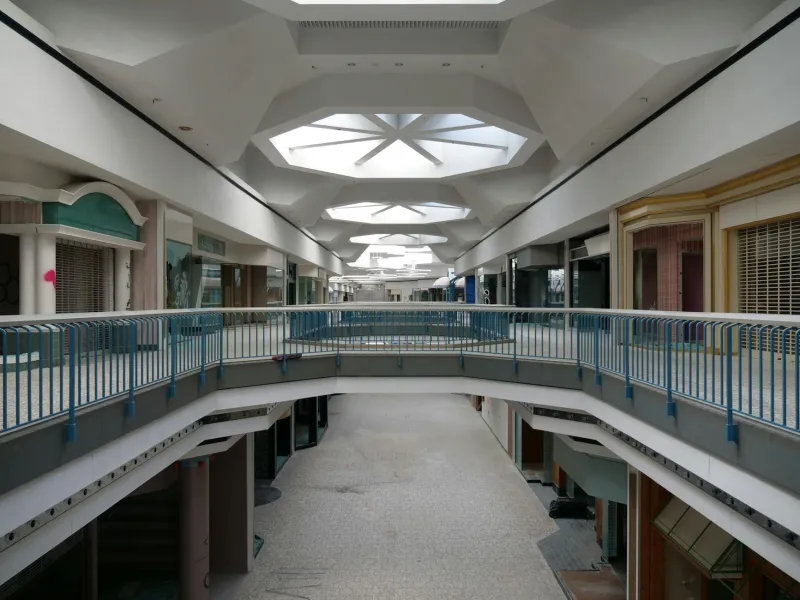
Subject Demographics and Initial Presentation
They find us, not the other way around. Support groups, online forums, crisis hotlines — always the same introduction: "I know this sounds crazy, but I need to talk to someone who might understand." The Displaced Persons Research Initiative has documented 127 individuals across North America who claim successful return from spaces that violate basic architectural principles.
The demographics resist easy categorization. Age ranges from 16 to 67. Educational backgrounds span high school dropouts to PhD holders. Geographic distribution covers urban centers and rural communities alike. The only consistent factor: their insistence that they have been somewhere that shouldn't exist, and that they managed to find their way back.
What makes these cases worthy of systematic study isn't the claims themselves — extraordinary claims require extraordinary evidence, and evidence remains elusive. What demands attention is the behavioral consistency these individuals exhibit, regardless of their backgrounds or the specific details of their accounts.
Lighting Sensitivity and Spatial Compulsions
Dr. Amanda Foster, clinical psychologist specializing in trauma responses, began tracking these cases in 2019 after noticing unusual patterns in her patient population. "Initially, I assumed we were looking at a new form of shared delusion," she explains. "But the behavioral presentations were too specific, too consistent across subjects who had no contact with each other."
 Photo: Dr. Amanda Foster, via dramandacf.com
The most universally reported modification involves overhead fluorescent lighting. Subjects demonstrate measurable stress responses — elevated cortisol, increased heart rate, defensive posturing — when exposed to standard office or retail lighting configurations. Many report installing exclusively warm-toned LED fixtures in their homes, often spending thousands of dollars on lighting renovations.
"It's not photophobia," Foster clarifies. "They can tolerate bright light. It's specifically the color temperature and flicker rate of fluorescent tubes. As if their nervous systems have been recalibrated to perceive these lighting conditions as threatening."
Equally consistent is the development of compulsive room-counting behaviors. Subjects report an inability to enter buildings without mentally cataloguing the number of rooms, exits, and architectural transitions. This extends beyond casual awareness to obsessive documentation — many maintain detailed notebooks recording the layouts of every structure they enter.
Interpersonal Recognition Deficits
Perhaps most disturbing are the reports of facial recognition difficulties that develop in the months following claimed returns. Not prosopagnosia — subjects retain the ability to recognize faces generally. Instead, they describe a persistent sense that familiar people appear "slightly wrong" or "not quite themselves."
Dr. Robert Chen (no relation to the spatial anomalies researcher) studies these cases from a neurological perspective. "The subjects consistently describe loved ones as appearing different in subtle ways they can't articulate. Facial features in the right places, voices unchanged, but something fundamental feels altered. Brain imaging shows unusual activity in the fusiform face area, suggesting these aren't psychological projections but genuine perceptual changes."
Spouses and family members of these individuals often seek counseling themselves, reporting feeling "constantly scrutinized" or "examined like specimens." The social isolation that results appears to be a secondary trauma response, as subjects gradually withdraw from relationships that no longer feel authentic.
Several subjects have attempted to explain this phenomenon in interviews: "Imagine if everyone you knew was replaced by very good actors who had studied them carefully but missed some essential detail. You can't point to what's wrong, but you know something is."
Sleep Architecture Disruption
Polysomnography studies reveal consistent alterations in sleep patterns among return claimants. REM cycles occur with unusual frequency and intensity, while deep sleep stages remain abbreviated. Most significantly, subjects demonstrate sleep behaviors typically associated with hypervigilance — frequent micro-awakenings, elevated muscle tension, and abnormal startle responses to ambient sounds.
"Their brains appear to be maintaining a state of environmental monitoring even during sleep," explains sleep researcher Dr. Maria Santos. "As if they're unconsciously checking that their sleeping environment remains stable and familiar. The energy expenditure is enormous — many subjects report chronic fatigue despite spending adequate time in bed."
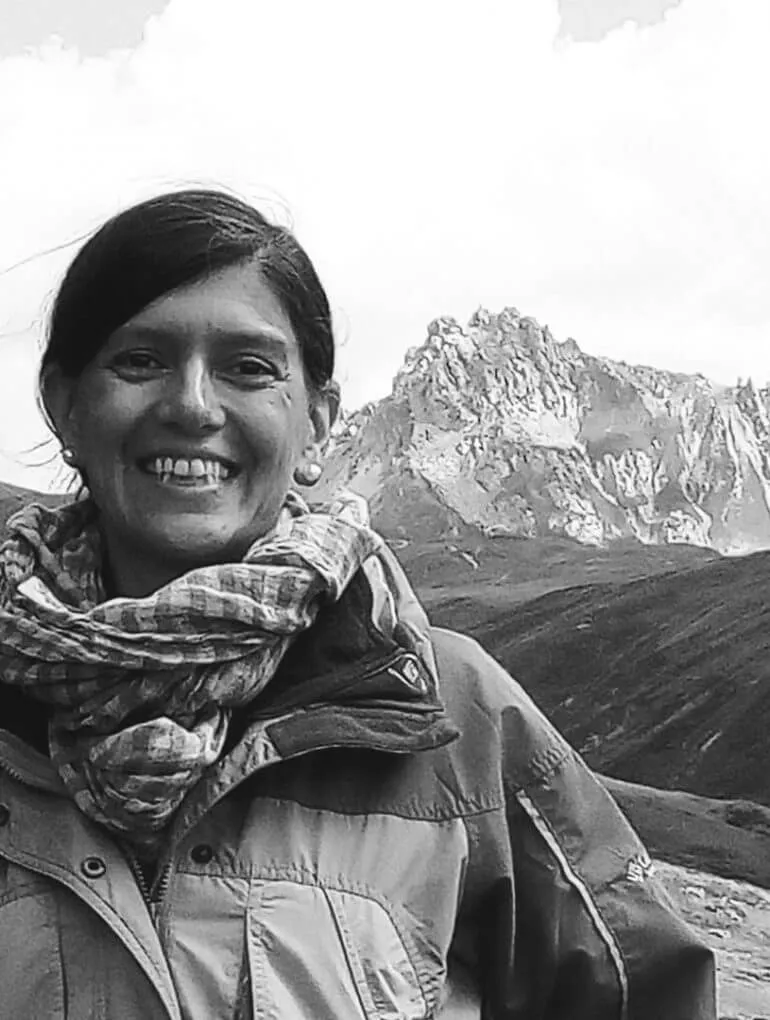 Photo: Dr. Maria Santos, via naturexdesign.tealeaves.com
Dream content analysis reveals another consistency: recurring dreams of endless corridors, fluorescent-lit spaces, and the persistent sense of being followed by something just outside the range of vision. These dreams often feature architectural elements that subjects describe as "more real than reality" — spaces with perfect geometric precision that feel more solid and permanent than waking environments.
Long-term Adaptation Strategies
The subjects develop coping mechanisms with remarkable similarity. Many relocate to older buildings with natural lighting and irregular layouts. Victorian houses, converted warehouses, structures with "character" and "personality" become preferred environments. Modern construction — particularly office buildings, shopping centers, and institutional spaces — triggers immediate avoidance responses.
Career changes follow predictable patterns. Subjects in corporate environments typically transition to outdoor work, small business ownership, or remote employment arrangements. The common thread: avoiding spaces that might trigger whatever mechanisms allowed their initial displacement.
Some subjects report that these adaptations eventually provide relief from their symptoms. Others describe a gradual worsening, as if the familiar world continues to feel increasingly unstable. Three documented cases involve subjects who have disappeared again, leaving behind detailed journals describing the growing conviction that their return was temporary — that the spaces they escaped were slowly reclaiming them.
The research continues, though funding remains challenging. Academic institutions show reluctance to support studies that cannot definitively establish whether these subjects experienced genuine anomalous events or represent a new category of shared psychological phenomenon. The distinction may be less important than the consistency of their presentations and the implications for our understanding of how human consciousness interacts with architectural space.
What remains clear is that these individuals have been changed by something, and that change follows patterns too specific to dismiss as coincidence.