The fluorescent hum of a QuikTrip in Tulsa, Oklahoma becomes something else entirely at 2:47 AM. Maria Santos had been restocking energy drinks when she turned to ask her coworker Jake about the delivery schedule. The question died in her throat. Jake wasn't there. The break room door he'd walked through thirty seconds earlier opened onto a wall of yellow-stained drywall that had never existed before.
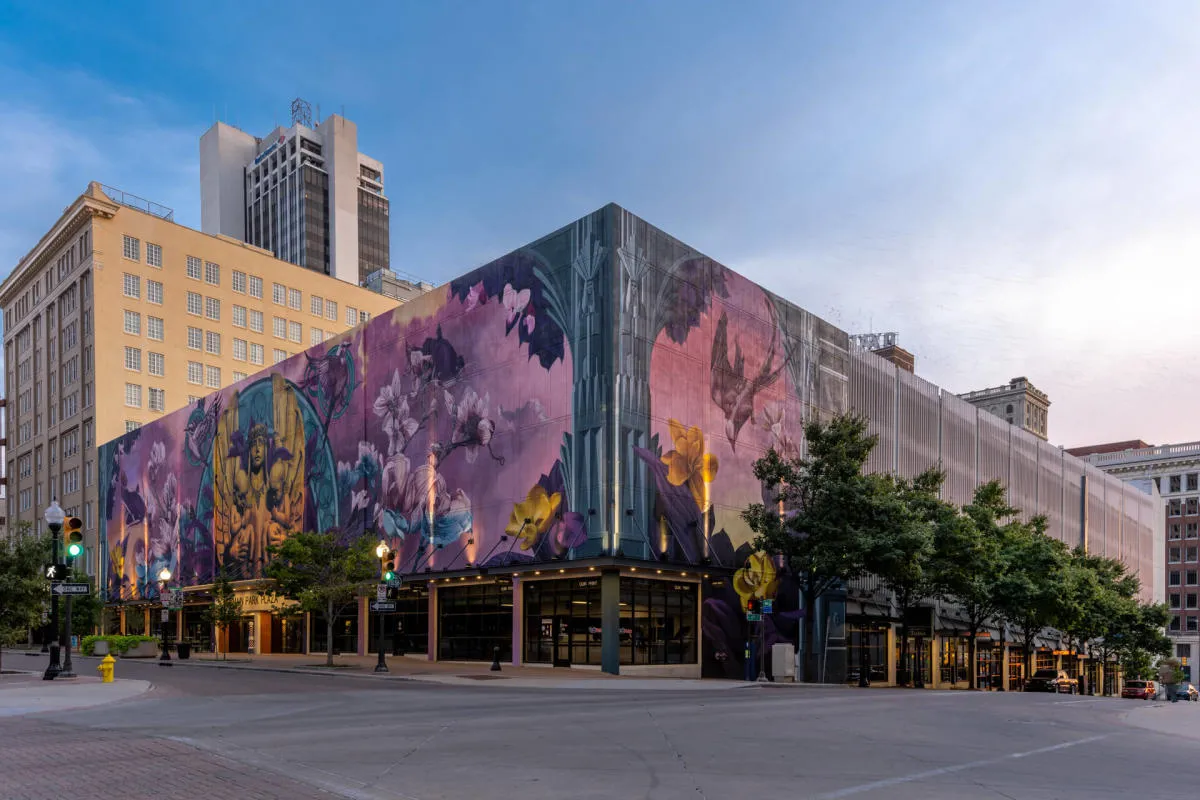 Photo: Tulsa, Oklahoma, via encyclopedia.design
"I stood there holding a case of Red Bull, staring at this impossible wall," Santos recalls. "The door was still there, still had the same scratched metal handle, but behind it was just... nothing. Like someone had sealed it up years ago."
Santos's experience joins a growing collection of testimonies from overnight retail workers who describe moments when familiar spaces become architecturally wrong. These accounts, gathered from gas stations, convenience stores, and 24-hour markets across the continental United States, share disturbing commonalities that extend far beyond coincidence.
The Pattern Emerges
Dr. Rebecca Chen, a spatial psychology researcher at Northwestern University, has been tracking these reports since 2019. Her database now contains over 400 documented cases, all following remarkably similar patterns. "The incidents cluster around specific times—between midnight and 4 AM—and always involve workers who are alone or temporarily separated from colleagues," Chen explains. "What's particularly unsettling is how many describe identical architectural impossibilities: doors that open onto walls, stock rooms that extend beyond the building's footprint, aisles that seem to stretch indefinitely when viewed peripherally."
 Photo: Northwestern University, via wallpapers.com
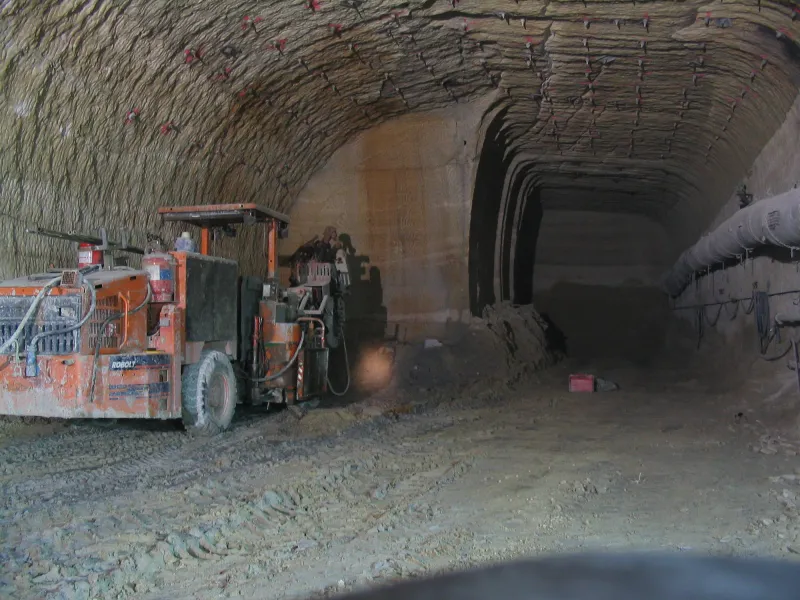
The testimony of Derek Williams, a former Shell station employee from Phoenix, exemplifies the typical experience. During a routine cigarette inventory in March 2021, Williams discovered that the storage room behind the counter had somehow tripled in length. "I walked back there maybe a thousand times before," he says. "It was maybe eight feet deep, just enough room for the cigarette displays and some cleaning supplies. But that night, I kept walking and walking. The same shelves, the same boxes, but they just kept going."
Williams eventually turned back, finding the door exactly where he'd left it. When he returned to work the following evening, the storage room had resumed its normal dimensions.
Liminal Vulnerability
Architectural analyst James Morrison believes these spaces possess inherent structural vulnerabilities. "Convenience stores and gas stations occupy a unique position in American commercial architecture," Morrison notes. "They're designed to be transitional—places you pass through rather than destinations. The combination of standardized layouts, harsh fluorescent lighting, and isolation creates what we might call 'liminal stress points' in physical space."
The monotony appears crucial to the phenomenon. Workers describe a hypnotic quality to the late-night hours, when time seems suspended between the artificial day of fluorescent lighting and the natural darkness outside. This temporal displacement may create cognitive conditions that make spatial anomalies more likely—or more noticeable.
Tammy Rodriguez, who worked overnight shifts at a 7-Eleven in Albuquerque for six years, experienced multiple incidents. "You get into this rhythm where everything blurs together," she explains. "Same customers, same transactions, same background noise. Then suddenly something's different, and you can't tell if it's been wrong for five minutes or five hours."
The Shared Details
Perhaps most troubling is the consistency of details across geographically dispersed accounts. Workers describe the same subtle wrongness in lighting—fluorescents that flicker in patterns they'd never noticed before. They report acoustic anomalies: the familiar hum of refrigeration units becoming slightly off-pitch, or the complete absence of the ambient road noise that typically penetrates these spaces.
Multiple witnesses describe colleagues who "stepped out" and were simply gone when they looked again—not missing in the conventional sense, but erased from the immediate environment as if they had never been present. These absences typically last between thirty minutes and three hours, after which the missing person returns with no memory of having left and no awareness that time has passed.
"The strangest part isn't that reality breaks down," observes former Circle K employee Michelle Torres from San Antonio. "It's how quickly you accept it. Like some part of you was already expecting the world to stop making sense."
Documented Consequences
While most incidents resolve without apparent lasting effects, some workers report persistent spatial disorientation that extends beyond their shifts. They describe difficulty navigating familiar routes, confusion about the layout of their own homes, and a persistent sense that distances have somehow changed.
Chen's research suggests that repeated exposure may create lasting perceptual changes. "Workers who experience multiple incidents often develop what we term 'architectural hypervigilance'—an obsessive attention to spatial details and an inability to trust their environment," she notes. "They begin checking and rechecking the dimensions of rooms, counting steps between locations, photographing layouts to verify consistency."
The implications extend beyond individual experiences. If these commercial spaces truly serve as threshold points, their ubiquity across American suburban and rural landscapes suggests a vast, unrecognized network of potential entry points into spaces that shouldn't exist.
For overnight workers in these liminal zones, the question becomes not whether reality will break down, but when—and whether they'll notice when it happens.